

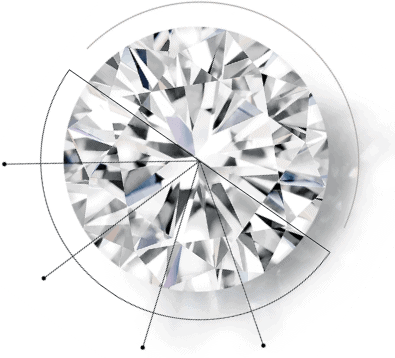
Denoting a diamond's weight, whether a 2-carat or 3-carat gem, is a measure often considered. Yet, the true essence lies in the inherent extraordinariness each diamond possesses, transcending the numerical scale. In the realm of brilliance, the paramount factor is the precision of the cut, where a well-cut diamond eclipses the significance of its carat weight, ensuring a gem that truly captivates.
Diamonds exhibit a spectrum of color, from colorless to a subtle tint. The key is selecting a diamond that appears brilliantly white once set. While diamond color is graded from D to Z, it's unnecessary to overspend on a D color diamond. In many settings, an H or I color diamond can present an equally clear and white appearance, offering a balanced and cost-effective choice.
Virtually every diamond carries imperfections. Clarity, in diamond terminology, denotes the quantity and visibility of these blemishes and inclusions. The paramount consideration is choosing an eye-clean diamond—imperfections remain invisible to the naked eye. Our article on eye-clean diamonds guides you on identifying specific inclusions to watch for, emphasizing their significance over traditional clarity grades.
Frequently mistaken for diamond shape, cut pertains to the precision of a diamond's cut and polish. It stands as the foremost factor influencing the brilliance and overall beauty of a diamond. The cut significantly contributes to the diamond's luminosity and aesthetic appeal.


