
The fascinating history of casinos around the world
The Origins of Gambling
The concept of gambling can be traced back to ancient civilizations, where activities like dice games and betting on various contests were prevalent. Archaeological findings suggest that the earliest forms of gambling occurred in China around 2300 BC, where tiles were found that could have been used for a rudimentary game of chance. Simultaneously, in ancient Rome, various betting games were a favored pastime, often tied to chariot races and gladiatorial contests.
This deep-rooted fascination with games of chance eventually laid the groundwork for the modern casino. The social and economic dynamics of these betting practices indicated not just entertainment but also the potential for substantial financial gain, weaving gambling into the societal fabric of many cultures across the globe. As societies evolved, so too did the complexity and variety of gambling activities, reflecting the changing interests of players and the influence of luck and skill.
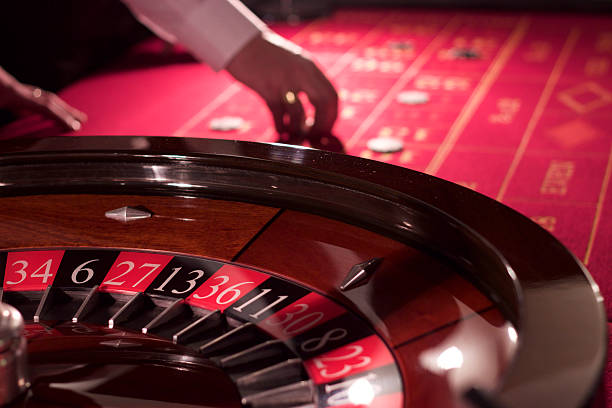
The intricate relationship between gambling and human psychology also played a critical role in its evolution. Early on, people were drawn to the thrill of chance and risk, which offered an escape from daily life and a way to test their luck. This psychological appeal has remained consistent over the centuries, leading to the continued popularity of gambling activities today.
The Birth of the Casino
The modern casino, as we know it today, originated in 17th-century Europe. It was in Italy that the first official gambling houses, known as ‘ridotti,’ emerged. These establishments were exclusive venues for the aristocracy, where card games and other betting activities flourished. The popularity of these venues spurred the establishment of the first true casino, the Casino di Venezia, in Venice in 1638, marking a pivotal moment in the history of gambling.
As gambling spread across Europe, many countries embraced its allure. France, for instance, witnessed a surge in casino establishments during the 18th century, with Parisian casinos becoming a hub for the elite. The elegance and charm of these venues helped elevate the status of gambling, transforming it into an accepted social activity among nobility and eventually the general populace.
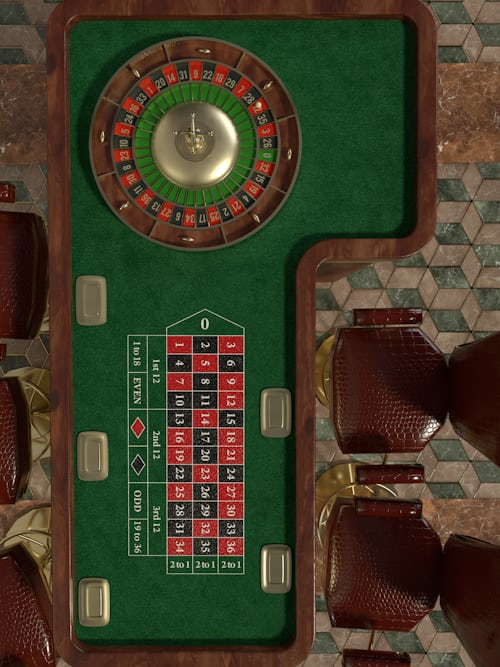
In addition to the social aspect, the rise of casinos in Europe was fueled by technological innovations such as the creation of new games and gambling equipment. This innovation attracted an even broader audience, from casual players to high rollers, leading to the establishment of a vibrant gambling culture that has persisted through the ages.
The Influence of the United States
The American embrace of casinos gained momentum during the early 20th century, particularly in cities like New Orleans and later Las Vegas. The first legal gambling house in the United States was established in 1822 in New Orleans, introducing a unique twist to the global gambling scene. However, it was the legalization of gambling in Nevada in 1931 that sparked a revolution in casino culture.
Las Vegas soon emerged as the undisputed gambling capital of the world, with lavish resorts offering not just gaming but extravagant shows and entertainment. The iconic “Strip” transformed from dusty streets into a vibrant hub of neon lights and glamour, attracting millions of tourists eager to embrace the excitement of the casino experience. This transformation firmly cemented the association between casinos and luxury entertainment.
The growth of Las Vegas also ignited a broader acceptance of gambling across the United States, prompting other states to explore the potential economic benefits of legalized gaming. With the advent of tribal casinos and state-regulated gaming establishments, the landscape of U.S. gambling expanded dramatically, providing countless job opportunities and revenue streams for local economies.
Global Expansion and Cultural Variations
While Las Vegas is synonymous with casinos, gambling is a cultural phenomenon found across the globe, each region offering its unique twist. In Macau, for instance, casinos have evolved into luxury destinations that combine gaming with high-end shopping and dining experiences. Often referred to as the “Gambling capital of the world,” Macau has surpassed Las Vegas in terms of revenue, showcasing the dynamic nature of global gambling culture.
In contrast, many countries have opted for a more traditional approach to gambling. In places like Japan, pachinko parlors blend gaming and entertainment in ways that reflect local customs and societal norms. The diversity of gambling venues illustrates how different cultures have adapted wagering to fit their values while ensuring that it remains an exciting social activity. This adaptability highlights the universal appeal of games of chance, as they can be tailored to fit the unique historical and social contexts of each region.
Furthermore, the rise of online casinos has revolutionized how people engage with gambling, offering unprecedented access to a variety of games and experiences from the comfort of their homes. This shift not only attracts a new generation of players but also demonstrates how technology continues to influence the gambling industry worldwide.
Discover More About Casino History
Exploring the history of casinos reveals a rich tapestry woven from various cultures, traditions, and innovations. As gambling continues to evolve with technology, the way we experience casinos is changing. From traditional card games to online gaming, the essence of competition, chance, and thrill remains strong.
If you’re interested in learning more about the history, management, or operational aspects of casinos, you’ll find many resources available online. One such resource provides insights into the nuances of maintaining a clean and welcoming environment in entertainment establishments. For detailed information, visit site and explore how cleanliness plays a vital role in the casino experience. Understanding these elements can enhance our appreciation of the intricate world of gaming and hospitality that has developed around casinos over the centuries.


